Celebrity
Plastic Surgeons Say ‘AI Face’ Is Their New Nightmare—And Kelly Ripa Was Right, They’re Not Magicians
Kelly Ripa warns of AI face trend driving plastic surgeons crazy as patients demand impossible digital results that pixels can achieve but surgery and human anatomy can’t.

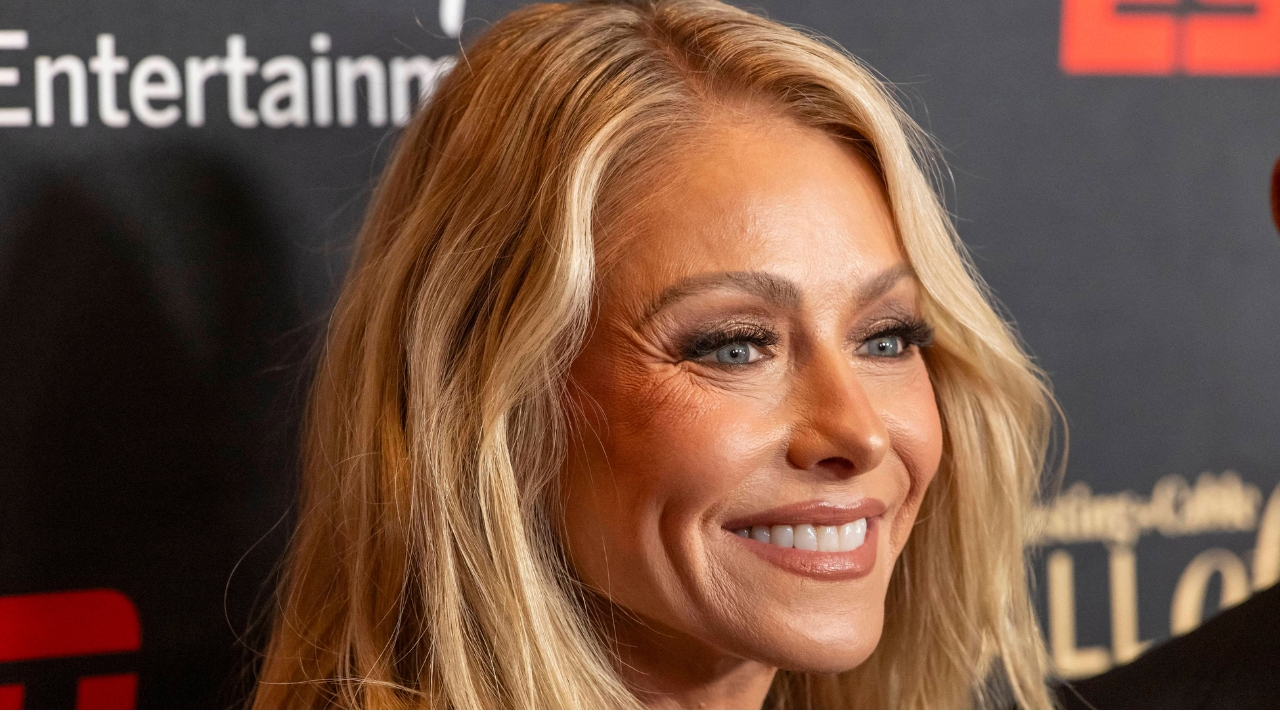
The cosmetic world is currently facing a bizarre digital crisis, and talk show queen Kelly Ripa isn’t holding back. During the May 21, broadcast of Live With Kelly and Mark, the daytime host exposed a frustrating new phenomenon known as “AI face” that is pushing medical professionals to the brink. Ripa explained that patients are feeding selfies into technical applications to render computerized face transplants before demanding identical results from actual human physicians. “Big news, guys. AI face is taking over and driving plastic surgeons crazy,” she announced to her husband and co-host, Mark Consuelos. Insisting that consumers have lost touch with physical limits, she forcefully stated, “They are not magicians. They are not computer science engineering professionals. They are artists.”
Consuelos noted the fad mirrors the deceptive nature of everyday online adjustments, which completely warps reality. Ripa agreed, joking that meeting heavily edited individuals offline can be jarring, adding, “You see them in real life and you’re like, ‘Oh! I had no idea. I would have no way of knowing that this is you.'” The television star even admitted she interrogates her own unedited glam shots because keeping an accurate self-image is so tough, asserting, “knowing what you look like is half the battle.”
Doctors on the front lines completely agree with her assessment. According to Business Insider, New York cosmetic dermatologist Dr. Rachel Westbay was stunned when a client requested a look modeled after a ChatGPT caricature featuring exaggerated lips and massive, cartoonish eyes. “It’s like saying I want to look like Ariel from ‘The Little Mermaid,'” Westbay revealed, warning that replicating such digital proportions would leave people looking ridiculous. A medical study by Beth Israel Deaconess Medical Center confirmed that utilizing these software programs gives candidates inflated surgical expectations. Bay Area surgeon Dr. Steven Williams summarized the issue perfectly, declaring that “pixels are easier than surgery.” Williams explained that human frames cannot be molded like clay, especially when vital internal organs must be shielded.

The desire for extreme digital alterations has left many experts struggling to ground their patients. Manhattan specialist Dr. Sachin Shridharani recalled an elderly client in her 70s who insisted on using an AI photograph as a “surgical time machine” to mimic her young granddaughter. “I explained that we can’t recreate what she looked like when she was younger, but she remained insistent,” Shridharani reported. Meanwhile, a 60-year-old patient named Daina Jenkins experimented with tech tools before her deep-plane facelift, famously declaring, “If it’s sagging, bagging, or dragging, I’m going to lift it, suck it, or tuck it”. However, Jenkins quickly realized the computer’s flawless rendering “wasn’t reality” and was thrilled to opt for a beautifully authentic facial appearance instead.
While Dr. Justin Sacks believes medical offices can safely harness these programs for cancer reconstruction imagery rather than relying on old-school Vogue cutouts of Gisele Bündchen, the broader celebrity world remains deeply terrified of the technology. Beyond operating tables, celebrities are fighting massive legal wars against digital replication. Scarlett Johansson filed lawsuits over unauthorized voice ads, Tom Hanks issued warnings regarding a fake dental commercial, and Taylor Swift was left completely “furious” after explicit deepfakes went viral. As the line between humanity and computer coding continues to blur, Ripa’s reality check serves as an essential warning that artificial perfection will never replace human skill.