Exclusive
Meet the Troll Toll: The Underground Digital Army Cleaning Up Hollywood’s Messes Online


When the Blake Lively–Justin Baldoni lawsuit pulled back the curtain on the alleged murky world of celebrity digital manipulation, most people were shocked. But for the team behind Troll Toll, it was just another day in the office.
Operating in the shadows of the internet economy, Troll Toll has quietly become the secret weapon for A-list celebrities, fashion houses, reality stars, and major brands — deploying over 2,000 real, human internet trolls to navigate the algorithms that the biggest platforms in the world don’t want you to understand.
In Touch spoke to the founder — who wishes to remain anonymous — to find out how keyboard warrior energy became corporate America’s best-kept secret.
Troll Toll has been described as turning “keyboard warrior” energy into a professional service — how did you first realize that skill set had real commercial value?
TT: We view what we do no differently than an influencer or spokesperson views their profession. Our endorsement is for sale just like theirs. If an idea or opinion is the product, we offer third party advocacy for it. It all came together when a small company needed someone to point out how their competitor was lying. He said he didn’t have any more money for digital ads or billboards, but he would go bankrupt fighting for the truth. Enter Troll Toll.
Walk us through what Troll Toll actually does for a client — what does the day-to-day of a campaign look like?
We work in what I like to call a Batman capacity. At night we are patrolling the internet for keywords and fighting battles. During the day its back to Bruce Wayne working out the actual strategy and how to maximize amplification.
You work with over 2,000 real human trolls. How do you recruit them, and what does it take to make the cut?
TT: The original group of Trolls actually existed before Troll Toll. This group of people used to get together and pitch different causes to each other. They would join forces to get behind one side. I started paying them, and money being the universal language helped get the next generation of Trolls. Most of our workers are creative writers, teachers, and people with very normal existences who all have great judgement. That’s what the job is, understanding the goal and staying loyal to it above anything else.
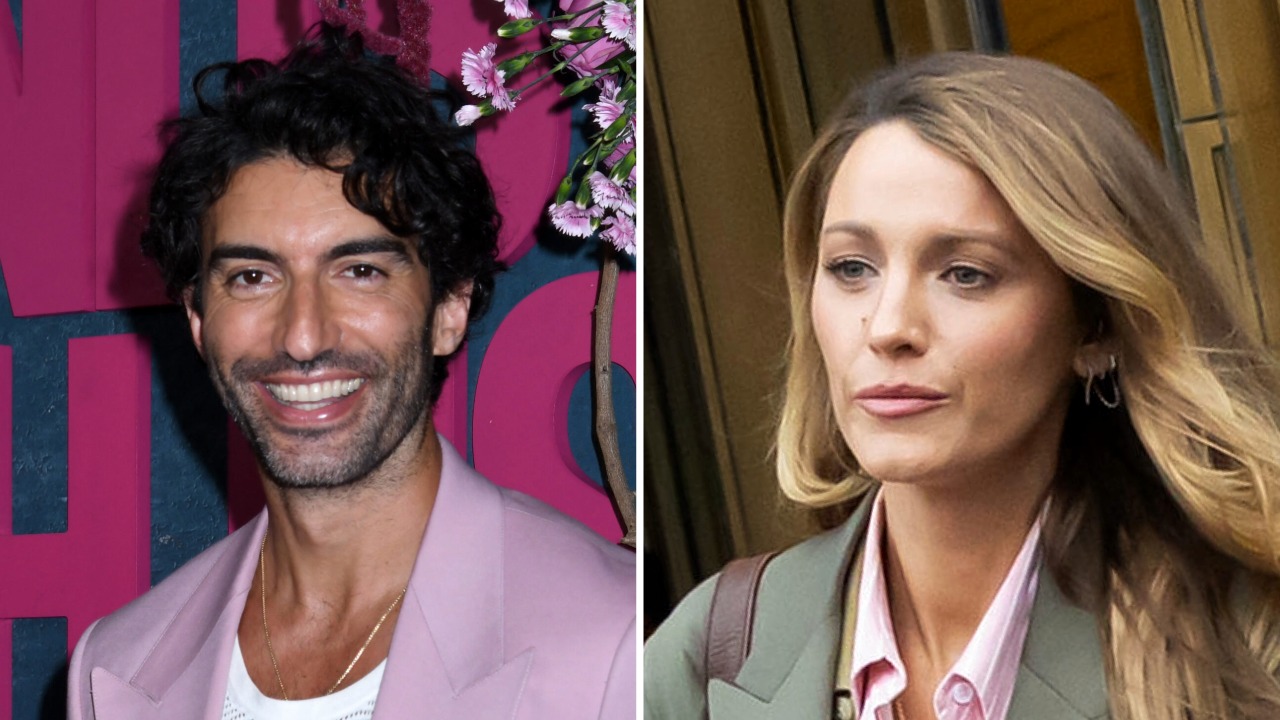
The Baldoni-Lively lawsuit put digital manipulation firms firmly in the public eye — how do you draw the line between what you do and what was alleged in that case?
TT: We don’t do hate speech or cyberbullying. We do our best to take an existing point of view and help get more eyes on it. Other groups seem to spread knowingly fake news.
You’re very clear that there’s no AI, no bots — why is the human element so critical to what you do, and why do clients pay a premium for it?
TT: Everyone is so digitally savvy now that detected bots or AI slop is second nature and as a result it becomes easy to disregard what’s being commented. Beyond that though, we rely on humans because we need to make judgement calls in real time. This job involves so much zagging when someone zigs.
You started out primarily serving the entertainment industry — what opened the doors to a wider client base, and who’s coming to you now?
TT: The entertainers would have these side businesses and saw the natural line to help their e-commerce brands. That’s been the biggest growth vertical for us, online retailers.
Most brands and PRs are completely at the mercy of platform algorithms. How does Troll Toll understand and work with those systems in a way traditional marketing agencies simply can’t?
TT: We are digitally obsessed. If we figure something out, we share it within our community. Ultimately everything comes down to shots on goals. We have more people trying things, more feedback loops and more attempts to fail fast. Traditional agencies still rely on the same podcasts, articles, blogs and thought pieces to figure out new strategies. We invent the strategies every day.
Confidentiality seems to be central to your business model — without naming names, can you give us a sense of the scale of clients you work with and what they typically need from you?
TT: We’ve worked with reality TV stars coming off their five minutes to Super Bowl halftime performers. It can be very simple and earnest like they want to suppress new news so they can own a big launch completely to wanting to remind people that tickets are still available in some cities.

There’s a real stigma around the word “troll” — do you ever see that changing, or is the anonymity and controversy actually part of the brand’s power?
TT: The name is half the fun. It stops the scroll. We actually have a branch of the company that exists as a front facing agency and it does not get nearly the same amount of attention.
If a Hollywood fixer or a major PR firm wanted to white-label Troll Toll’s services, is that something you’d entertain — and is it something that’s already happening?
TT: We are making an effort in 2026 to offer a service for everyone as there is a way to apply Troll Toll in almost anything. We believe some of our projects were sold under a different banner with a margin on top. It’s been suggested that some of the more experienced fixers only have two speeds, slow or straight for the jugular so it would make sense they’d want a group like ours to help go 65 mph.